A new study shows how lake sediments can be used as sustainable phosphorus fertilisers
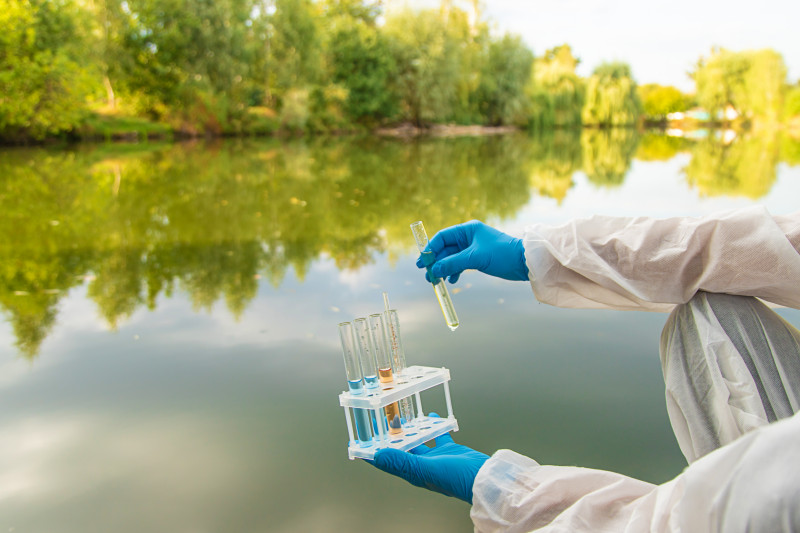
A new study from the University of Helsinki demonstrates that sediments removed from lakes can be repurposed as effective fertilisers, offering a sustainable solution to both lake restoration and phosphorus scarcity. Led by Olga Tammeorg with colleagues Mina Kiani, Subin Kalu, Sharifeh Nabavi, Asko Simojoki, and Priit Tammeorg, the research was published in Environmental Technology & Innovation.
The study, titled “Recycling of lake sediments as phosphorus fertilizer: Promising results from a greenhouse experiment with six different sediments” shows how removing sediments is a common practice in lake restoration, but it often comes with high disposal costs. The study explored whether these sediments could instead be reused as fertilisers, supplying phosphorus and other nutrients for plant growth. Sediments were collected from Finnish lakes Matjärvi, Kutajärvi, Kymijärvi, and Enonselkä, as well as two basins of Estonia’s Lake Peipsi (Peipsi and Lämmijärv).
In greenhouse experiments, ryegrass was grown in sand treated either with 25 kg ha−1 of conventional mineral phosphorus fertiliser, sediments containing equivalent bioavailable phosphorus, or sand without added phosphorus as a control. The team also tested soil amendments, including lime, biochar, and arbuscular mycorrhiza, to enhance nutrient availability from sediments.
The results were encouraging: ryegrass grown with sediment treatments showed 126% higher biomass and 133% greater phosphorus uptake compared with plants without added phosphorus. Sediments supplied not only phosphorus but also other macro- and micronutrients, enhancing overall plant growth. Interestingly, plant phosphorus uptake occurred even from sediments with high iron-to-phosphorus ratios, suggesting that hypoxic conditions in sediments may help solubilise phosphorus.
Soil amendments further improved results, particularly in the Kymijärvi sediment treatment, where biochar and lime increased plant biomass by 106% and reduced zinc uptake, which is important for avoiding contamination.
These findings indicate that repurposing lake sediments can offer dual benefits: improving water quality by removing nutrient-rich sediments from lakes while providing an alternative source of phosphorus for agriculture. The study emphasises the potential for sustainable, circular approaches to nutrient management, though further research is needed to optimise long-term fertiliser use under field conditions.